
Ecommerce SEO
Structuring ecommerce catalogs for search visibility and clarity.
Introduction
This page presents applied ecommerce SEO examples focused on product catalogs, not content marketing.
All examples use a small, controlled women’s footwear dataset to demonstrate how structure, language, and rules scale across real product pages.
Each example reflects practical catalog-level decisions that support search visibility, usability, and long-term maintainability.
1. Product Detail Page SEO Title and Meta Rewrite
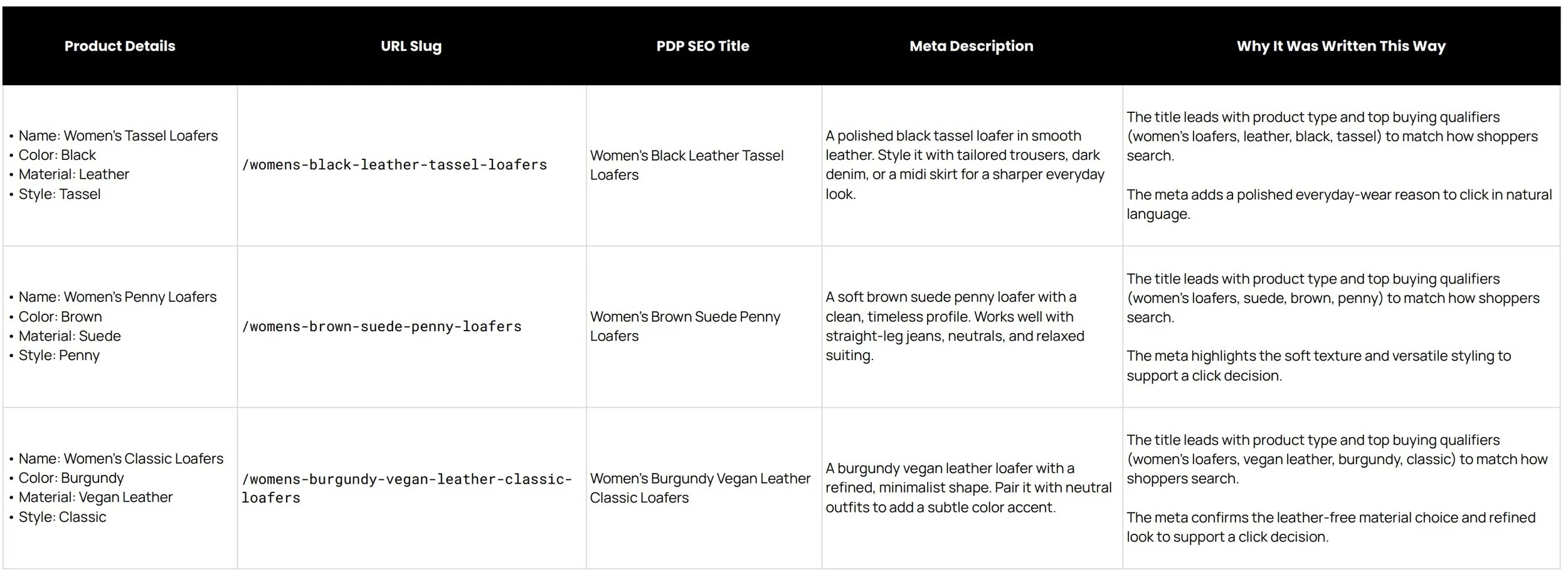
This example demonstrates how SEO titles and meta descriptions are written for product detail pages to clearly communicate product intent and support search visibility.
Figure 1. PDP SEO Title and Meta Description Examples
2. Category / Collection Structure Example
This example demonstrates a broad to specific category hierarchy, the breadcrumb path that reflects that hierarchy, and category-level filter and URL control rules that prevent duplicate content and keep navigation clear.
Figure 2.1. Categories/Collections to PDPs Structure
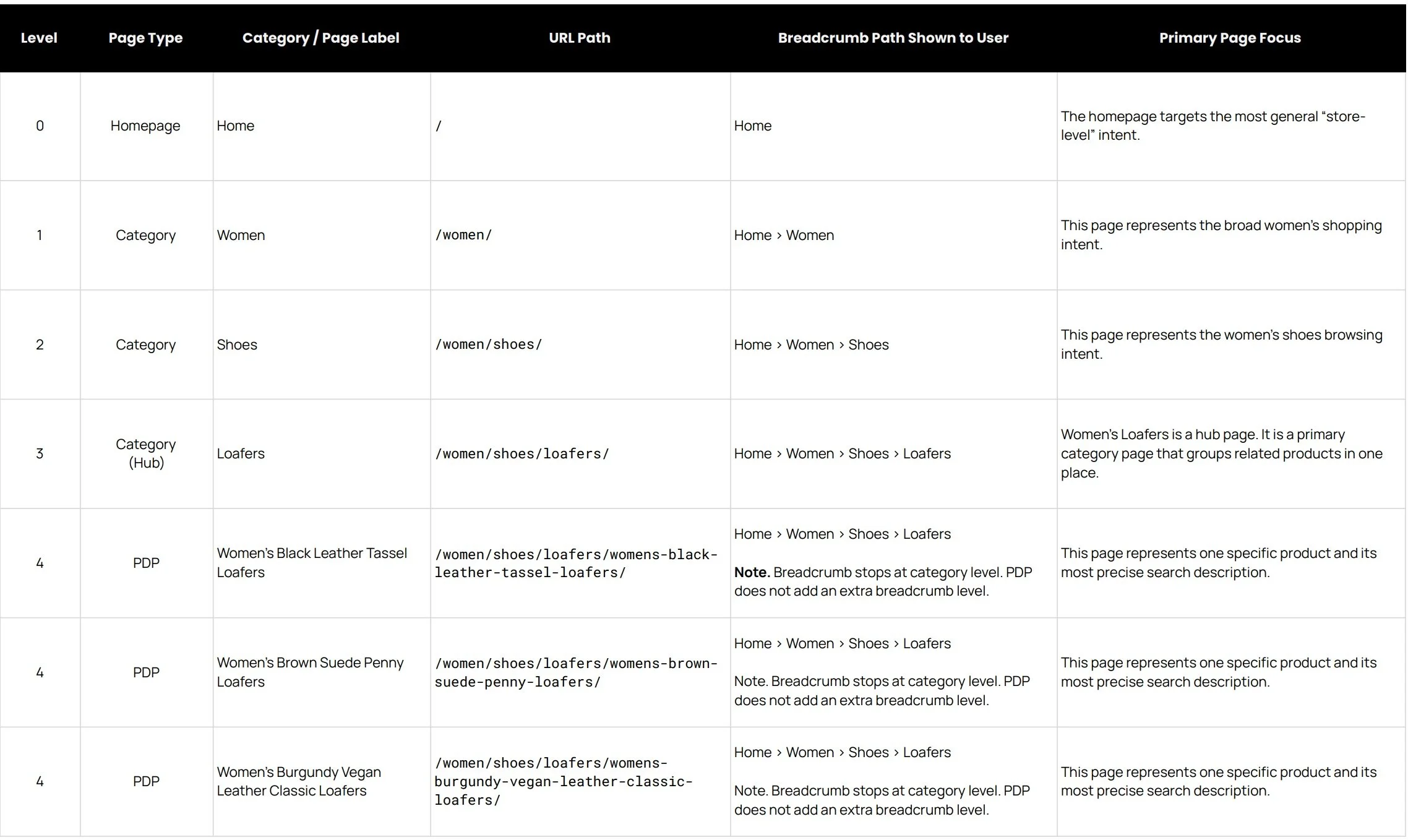
Figure 2.2. Category-Level Filters and URL Handling
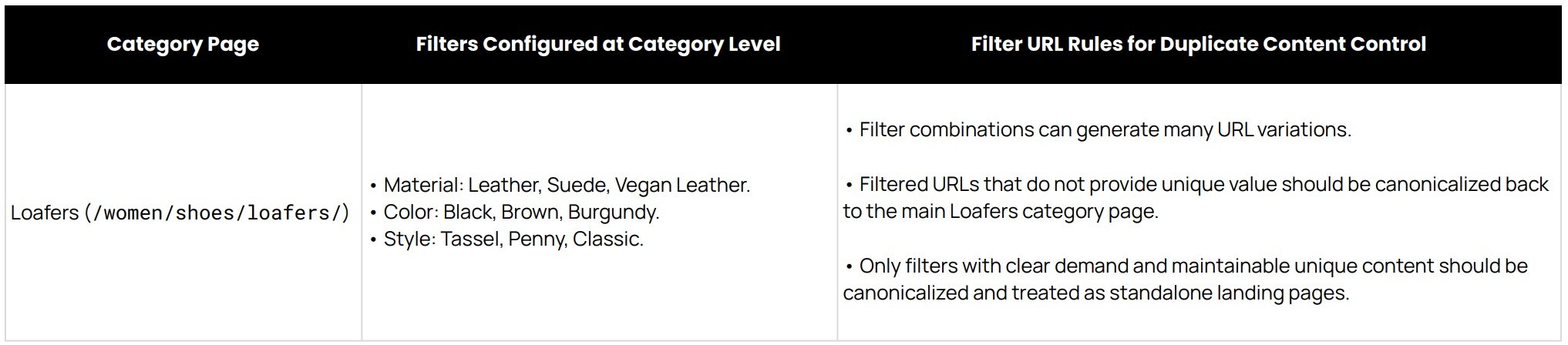
Figure 2.3. Maintenance Rule When Structures Change

3. Image Alt-Text Rules Tied to Product Attributes
This section shows how alt-text rules support image SEO and accessibility through consistent use of structured product attributes.
Figure 3.1. Image Alt-Text Rules
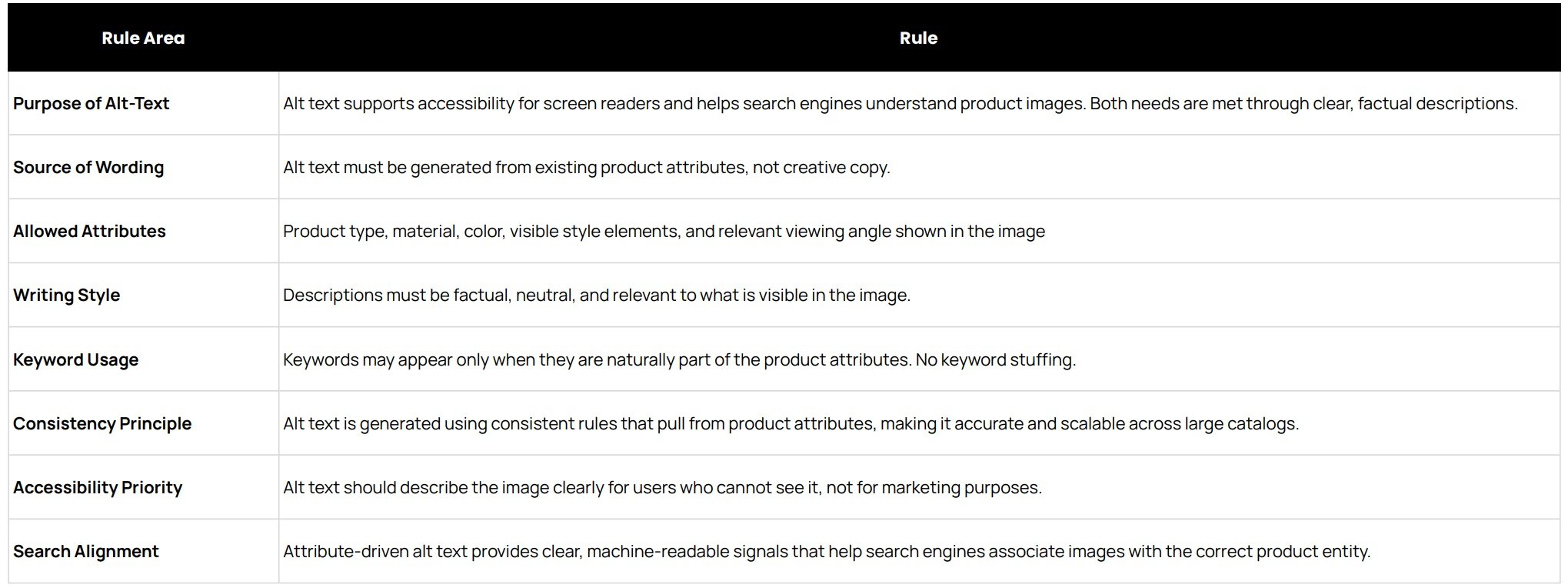
Table 3.2. Image Alt-Text Rules Based on Image Type

Note. These are rules for generating alt text automatically, not exact phrases that must be copied word for word.
4. Holistic SEO Decision Example — Women’s Loafers Category
This example demonstrates how multiple SEO principles are applied together when designing and maintaining one ecommerce category, using the Women’s Loafers section as a concrete case.
Figure 4. Applied SEO Decisions for the Women’s Loafers Category

Conclusion
These examples demonstrate how ecommerce SEO works best when it is integrated into catalog structure and product data decisions.
Rather than isolated optimizations, the focus is on clarity, consistency, and alignment across pages.
This approach supports scalable growth, avoids duplication, and makes product catalogs easier for users to find quickly and search engines to understand.